|
Benefits of Swamps Freshwater swamps are valuable wetlands that offer many important benefits including flood control, groundwater recharge, pollution cleanup, wildlife habitat, and recreation. Many swamps are located alongside rivers and provide areas for storage of excess water during floods. Some swamps collect rainwater, runoff, and shallow groundwater during wet periods and help to recharge the aquifers beneath Florida during dry periods. Swamps also help to remove water pollutants. As water filters through wetland vegetation and soils, nutrients, sediments, and pollutants are removed. Wetlands improve water quality in several ways. For example, low oxygen levels in swamp water and soils promote the removal of nitrate-nitrogen through denitrification. Nitrate is formed from the combination of one nitrogen atom with three oxygen atoms. Free oxygen atoms like the ones we breathe are rare in swamp water. But swamp bottom bacteria can “breathe” with the oxygen atoms in nitrate. In this bacterial breathing process, nitrate is broken apart (denitrified) and the nitrate’s nitrogen atoms are released to the air as a gas. Nitrate from human and animal wastes can leach into groundwater supplies and contaminate wells. Human babies are susceptible to nitrate poisoning, known as blue baby disease. High levels of nitrate in drinking water can prevent oxygen from being carried through the blood and in severe cases babies turn blue from a lack of oxygen. Additionally, low oxygen levels and organic soils can promote other biochemical reactions that can detoxify other pollutants. Wetland plants also uptake nutrients for their growth. But plant material falling into swamp water is slow to decompose. This results in a build up of organic soils where nutrients are trapped. Wetland plants also slow water movement allowing pollutant particles to settle out. Scientists, engineers and biologists have long recognized the water quality improvement properties of wetlands and have created wetlands to help purify wastewater and storm water runoff.
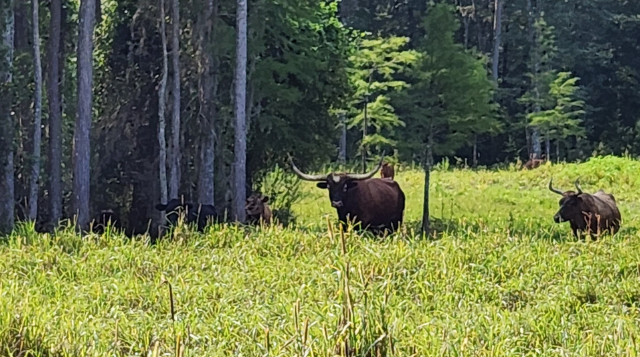
Swamps also provide critical habitat for many wildlife and serve as
breeding and refuge areas for countless species.
Plants, birds, fish, and invertebrates such as freshwater
shrimp, crayfish, and clams require the habitats provided by swamps.
Upland creatures like the Florida panther depend on food production from
lowland swamps
|
|
The beneficial properties of wetlands can be used to solve pollution problems like wastewater disposal. |
The abundance of wildlife, special plants, and unique landscapes attract many visitors to wetlands. |