|
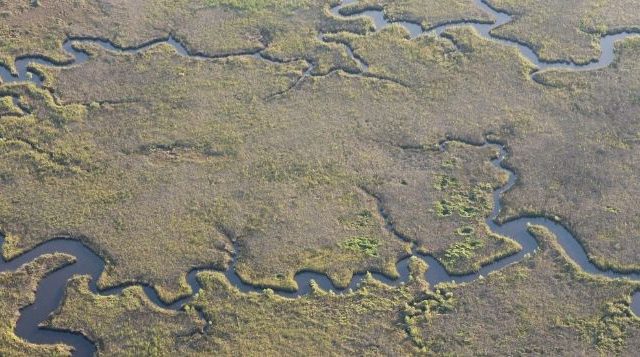
Human impacts As the population of Florida has grown many thousands of acres of swampland have been logged and drained for residential and agricultural uses. Much of the once wet and mucky land has been filled in and used for growing crops, grazing livestock, or building homes. Where swampland once was there are fields of sugarcane, citrus orchards, or pastureland. Much of the remaining wetlands have been polluted by run-off from farms and urban areas. More than 50% of the original wetlands in the state have already been destroyed. Human activities have altered drainage patterns, destroyed wildlife habitat, and interfered with the natural filtration systems of the wetlands. The Everglades National Park is one example of a swamp that has been altered significantly by human activities. More than 1/3 of the land area in the Everglades is freshwater marsh and cypress swamp. Extensive draining, dredging, and canal-building has reduced swamplands and affected the natural draining and filtering processes of the ecosystem. Most of these activities were conducted before the Everglades became a National Park in 1947. Summary Freshwater swamps are classified according to four environmental factors: hydroperiod, soil, water quality, and fire. They are home to numerous plant species that are adapted to annual flooding, the most notable of which is cypress. Swamps also provide habitat for a diverse range of wildlife from insects to mammals, including 15 species of reptiles and amphibians from Florida swamps that are currently listed as threatened or endangered. Additionally, these forested wetlands provide valuable benefits to man. They act as natural water collection areas and help to recharge the water table and underlying aquifers. They filter out pollutants and purify the water that seeps down through them. They also help to control flooding and maintain water quality. Many swamps produce valuable timber and wood products while others are used for recreational activities like fishing and bird-watching. These special ecosystems are an important part of our Florida landscape and must be carefully managed and preserved to maintain their health and continued environmental benefits. Some examples of freshwater swamps in Florida may be seen at Blue Cypress Water Management Area, Collier-Seminole State Park, Fakahatchee Strand State Preserve, Highlands Hammock State Park, Tosohatchee State Reserve, Big Cypress National Park, and Everglades National Park.
|
|
Urbanization has resulted in direct loss of wetland acreage as well as degradation of wetlands. Degradation is due to changes in water flow rates and increases in pollutant inputs. Wetland wildlife also suffer as a result of introduction of non-native species, disturbance, and habitat fragmentation.. |
About one-half of the Everglades have been lost to agribusiness and urban development |